

I’m Starting a New Business – Again
2025. November 17.
For a long time, I thought I could do everything on my own.
And in many ways, I did, I do.
I am independent, capable and resilient. A lone wolf.
And while being alone was never a problem for me, at some point it became very clear that there are things you simply cannot do alone.
Not building a business.
Not growing as a human.
Not creating something meaningful that lasts.
Meeting the Right People Changes Everything
I don’t have a first moment, a first meeting that was groundbreaking, but there were some that really taught me, stayed with me and led me.
The first time I worked with a truly great partner, something shifted in me. We could work together seamlessly. We motivated each other. We complemented each other naturally. I wanted to be better, do more, and show up fully.
That was the first time I experienced that even if I am a lone wolf by nature,
with the right people, I am even better in a team.
Another very important moment was when I accepted that I actually need help sometimes. This was huge for me. I had to understand that needing or receiving help does not mean I’m not good enough.
This is also where I learned the difference between getting help and receiving help. These two are not the same, and they mean very different things in how they shape your story.
Getting vs. Receiving
To truly receive help, you need self-awareness.
When you have healthy self-esteem, you know what you’re good at and what you’re not. Receiving help doesn’t make you feel smaller, it simply means you’re finding solutions for things that are not meant to be done by you. You remain responsible for what you do best. Help stays external.
This understanding also helps you choose the right partners. I had several experiences where I worked with someone who was objectively great at what they were doing. I liked them, respected them, and benefited from working with them - yet something still didn’t feel right.
I got help, but not the help I actually needed.
This is extremely hard to realize, especially when you struggle with self-worth. When someone is strong, talented, and charismatic, it’s easy to admire them and silence your own needs. But if a working relationship drains you instead of elevates you, it’s not a good one. Like in any relationship in life, both sides should feel supported, motivated, and encouraged to become better versions of themselves.
Getting can happen passively, it doesn't mean it is going to change anything in your life.
Receiving is conscious. Receiving is active, it is work.
Receiving means understanding what you’re being given, why, how it fits into your life, and what are you supposed to do with it.
What Partnerships Taught Me About Self-Worth
Working with others - both in good and bad partnerships - taught me the most about self-worth and self-awareness.
I struggled with both for a long time, while also being mostly alone. That combination created hyper-independence. I was constantly proving that I’m strong, capable, worthy enough.
But when you’re trying to fill a hole, it usually means the hole is still there.
Even though I did my best and achieved a lot, and even though in many ways I was proud of myself, I often didn’t feel good enough. This directly affected how I showed up in collaborations. I put myself in second position, accepted things I didn’t like, and didn’t fight for my needs, because the constant need to fight (for being yourself) is draining your energy and at one point you don't even have enough anymore to fight.
Good partnerships open you up.
Bad ones make you weak.
Most bad partnerships aren’t bad because people have bad intentions. Usually it’s simply incompatibility. Different values, rhythms, communication styles, or expectations. But they all bring the same questions: Who am I? What do I actually want? What am I good at? What kind of partners do I need?
And from there, you learn.
Knowing the Difference Between Support and Distraction
Next to self-awareness, it’s crucial to be aware of your own path and desires.
Only then can you separate what you truly need from others and what you need to build within yourself. Some things are simply your responsibility to figure out. Waiting for others to fix them only puts you in a victim position, and that won’t take you further.
At the same time, good partnerships can become too comfortable. When things work well, you start imagining a shared future - very romantic. But it’s easy to forget that you still have your own path, and the other person has theirs.
If you lose yourself in that comfort, life usually intervenes. Separation then feels like disappointment, when in reality it was a correction.
For me, it comes down to three things:
1. Know who you are and what you’re good at
2. Choose partners where you truly complement each other
3. Work on yourself and on your relationships activly
You can only build together if everyone feels fulfilled in their own desires.

Lessons From Communities and Love Projects
I learned this strongly while working in volunteer-based cultural associations and love projects. Especially when money isn’t involved, motivations become very visible.
At one point, I started asking team members directly:
Why are you here? What do you personally gain?
People need something - learning, growth, experience, belonging. Without that, they leave. And they don’t give their heart to the project.
The best systems have shared goals powered by individual motivations.
This applies even when money is involved. Money without passion doesn’t bring out anyone’s best work.
Customers Are Also Part of the System
Feedback has always been one of the most powerful mirrors in my work.
It shows what people understand from your intentions, communication, and actions. If feedback matches what you meant, you can improve details. If not, something in the system is unclear.
Criticism - even when painful - has always helped me grow.
Without customers, your idea doesn’t exist. And no system works without considering human behavior. Customers are not always right, but patterns in their reactions matter. If your message doesn’t land, your way of doing or communicating needs adjustment.
Customers are not just buyers.
They’re part of the structure you’re building.

The People Who Held Me When I Forgot Who I Was
There were three types of people who really shaped my journey:
- long-term working partners
- short-term mentors
- long-term, very close friends
All of them shared one thing: honesty. Real honesty - mutual, sometimes uncomfortable, but always grounding.
They saw me when I couldn’t see myself. They reminded me who I was when I forgot.
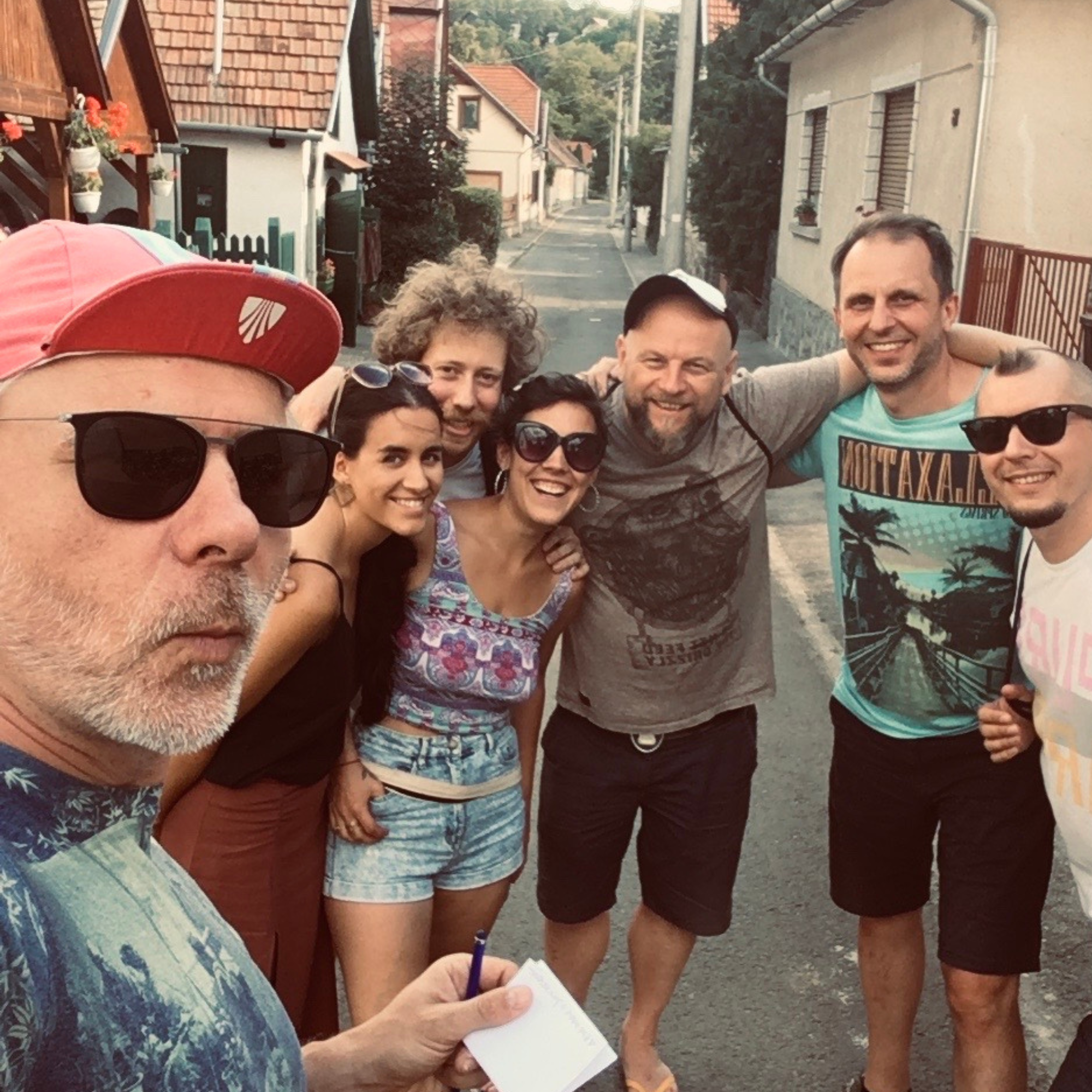
Even though I truly function well alone, I have no idea where I’d be without them.
Being alone is not an issue for me.
But it’s true, there are things we can’t do alone.